CS 466 (Spring 2027): Introduction to Bioinformatics
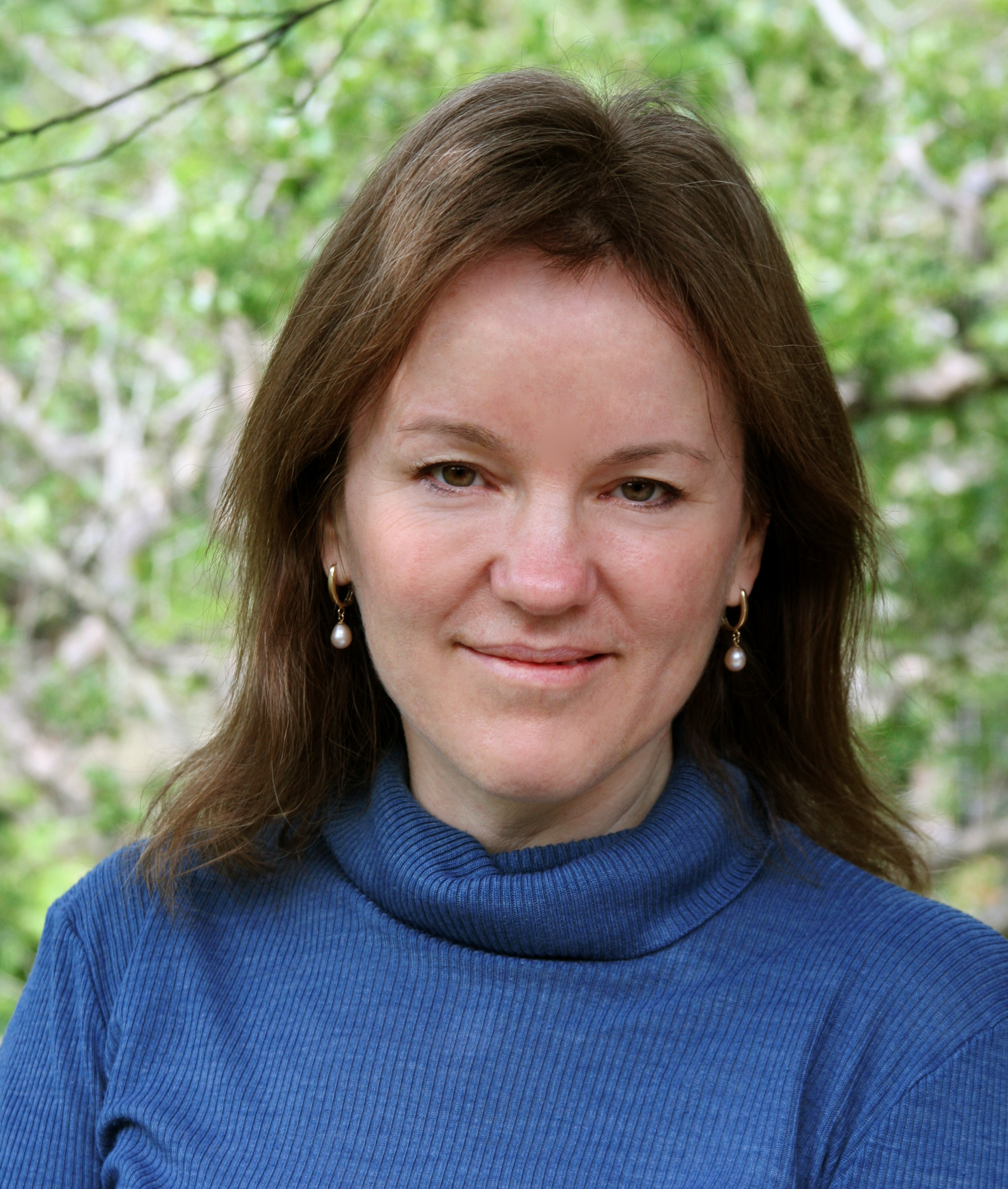
Instructor: Tandy Warnow,
Grainger Distinguished Chair in Engineering
Time: ThTh 11-12:15 in 0216 Siebel Center
Tandy's Office hours : TBD
Announcements
TBD
Lectures: These will be posted at least 24 hours in advance. You are expected to read these before coming to class.
Homework: These include reading assignments as well as problem sets. You are expected to do all the reading by the due date.
Some of the assignments involve doing analyses on the Campus Cluster.
Homeworks can be submitted up to 24 hours late, but late submissions incur a 25% penalty.
The bottom homework is dropped.
Course description:
This is an introductory course for bioinformatics, but focusing on
algorithm design for some classical problems in bioinformatics.
The class will begin with basic
discrete mathematics, graph theory, probability theory, algorithm
design techniques (e.g., dynamic programming, divide-and-conquer,
recursion, and greedy algorithms) and basic computational complexity.
The bioinformatics topics we will cover
include genome assembly,
phylogeny (evolutionary tree) estimation,
pairwise sequence alignment,
multiple sequence alignment, genome-scale phylogenetics,
with extra topics based on student interest (e.g.,
metagenomics).
Prerequisites
CS 225 and CS 173,
or consent of the instructor; no biology background is required.
COVID-19 precautions
If you are ill, or have been exposed to COVID-19, or have recently tested
positive for COVID-19, do not come to class or in-person office hours.
Who should take this class:
The course is designed for
undergraduate students
and MS/MCS students
in CS, ECE, Math,
Statistics, and ISE.
Students from other majors are also welcome but should
have background equivalent to the prerequisites (CS 225 and CS 173).
Undergraduates will receive three undergraduate credits;
graduate students can enroll for three or four graduate credits.
Course schedule (tentative)
- Two weeks: algorithm design, computational complexity, and graph theory
- Two weeks: genome assembly
- Three weeks: phylogeny estimation and use of statistical learning
- Three weeks: sequence alignment (both pairwise and multiple) and use of machine learning methods
- Remaining: other bioinformatics problems
Exams
There will be two or three in-class midterms, each 75 minutes long.
The final exam will be three hours.
Grading for Undergraduate Students
- Homework: 10%
- Midterms: 45%
- Final exam: 45%
Grading for Graduate Students registering for 4 credits
- Homework: 10%
- Midterms: 40%
- Final exam: 40%
- Course project: 10%
Note: Graduate
students registered for four credits will be required to
do a research project, which will be submitted as a
PDF paper (at least 7 pages, not including bibliography),
which will be due the last day of class.
The grade of the course project will be based in part
on the written document and in part
on their presentation to the Instructor after the
submission, with Q&A.
Assigned reading
The assigned reading will include papers from the scientific literature.
Policies
-
Laptop and cellphone policy During class time, unless the class is held by zoom, only those people presenting material should use laptops, and no one should use cellphones
(see this NYT article and
also this article).
My lectures (PDF or PPTX) will be posted and available at least 24 hours before class, and you are expected to review the lectures before coming to class.
-
Generative AI policy
The use of generative AI to develop code for homework assignments is permitted,
but must be documented.
However, do not ever use generative AI to solve homework problems or improve
your writing.
-
Collaboration policy
It is permitted to work with other CS 466 students on homeworks, but you must
provide this information on your submitted homework (i.e., who you worked
with) and you must write up your answers yourself.
-
Absence policy Absences are allowed but the student is required to learn what was covered when they were not attending the lecture. Note that the lectures are not recorded! For this reason, course presentations are provided on the course webpage.
Expectations
- The homework assignments include substantive reading from
published papers. It is not possible to do this course well without
doing the reading, and completing assigned reading before coming to class.
-
All students are expected to participate actively through discussions in
class.
Additional Syllabus statements
-
Statement on CS CARES and CS Values and Code of Conduct.
All members of the Illinois Computer Science department - faculty, staff, and students - are expected to adhere to the CS Values and Code of Conduct. The CS CARES Committee is available to serve as a resource to help people who are concerned about or experience a potential violation of the Code. If you experience such issues, please contact the CS CARES Committee. The instructors of this course are also available for issues related to this class.